AI This article was created with the help of AI.
Key takeaways
- 5 core stages (opening, needs analysis, presentation, objection handling, closing), framed by preparation and follow-up in the 7-stage model
- Whoever skips the needs analysis typically loses the closing - improvisation doesn't close deals
- Without an agreed next step in the first meeting, the closing rate drops by 71 percent
- Top sellers talk around 43 percent of the time and listen 57 percent; the average rep talks 60 percent
- A conversation guide with guiding questions per stage makes meetings comparable - and therefore coachable without ride-alongs
A day you know: Your field rep comes back from the customer, you ask how it went, and the answer you get is "going well". The visit report consists of three sentences in an email, the CRM field stays empty. What you don't know: Was the need even asked about? Was there a presentation that matched the identified problem? And above all: Was a next step agreed? You're not sitting in the room, and that's exactly why every stage of the conversation stays hidden from you.
Stage models promise a remedy here, and for good reason. Dirk Kreuter puts it in a nutshell: Those who run through the stages in a fixed sequence close predictably. Those who skip them improvise, and improvised conversations don't close. Structure pays off three times over:[1]
- Predictability: You recognize early whether a meeting is heading toward a close, instead of experiencing surprises in the quarterly review.
- Trainability: New sales reps reach senior level much faster with a clear process than by simply tagging along.
- Scalability: The system runs even when you're not in the room, and makes conversations comparable across the whole team.
On paper, none of this helps you much as long as all you see is your team's self-reporting. A model only becomes a steering instrument once you can verify in real customer meetings which stage took place and which was skipped. That's exactly what the next sections are about: first the model, then a look into real conversations, then coaching without ride-alongs.
What stages does a sales conversation have?
Two models dominate the debate, and both carry the same substance. The 5-stage model by Dirk Kreuter counts the core stages of the active conversation: opening, needs analysis, presentation, objection handling, and closing. Whoever skips a stage - typically the needs analysis - loses the closing, according to Kreuter.[1]
The Haufe Akademie describes the same conversation in seven stages, framing the core stages with preparation before and follow-up after. The same applies here: The first impression carries the conversation, open questions and active listening build the relationship, and follow-up is the beginning of customer loyalty.[2]
The substance is identical; the models differ only in framing. For field sales, the 7-stage view is still worth it, and for a single reason: preparation and follow-up are the two stages that become visible in the CRM. If you see nothing there, you immediately know where the process breaks. The core stages on-site, by contrast, you only experience through the conversation documentation itself.
What happens in each stage during a customer visit?
The on-site appointment is the best place to work through the flow in detail. Preparation determines everything that comes after: reviewing CRM history, checking previous contacts and open items, setting goals for the meeting and knowing likely objections in advance. Anyone who enters the conversation well informed comes across as more confident and can anticipate the customer's questions.[3] A CRM system serves here as the central database for customer data and past interactions.[2]
- Opening: Greeting, small talk with substance, then the frame for the conversation. Kreuter recommends moderating clearly in the first minutes and setting the frame, rather than starting as a supplicant.[1]
- Needs analysis: The core of the appointment. Open questions about situation, goal and previous attempts - listen more than you talk.[3] The right methods for this are covered in a separate article on needs analysis.
- Presentation: Only now, once the need is clear, comes the solution. Benefits before features, tailored to the pain points mentioned.[3]
- Objection handling: Treat objections as opportunities, not obstacles. The Haufe Akademie recommends the Feel-Felt-Found method: show understanding, mention similar cases from other customers, then present the solution that convinced them.[2]
- Closing: Spot buying signals and seal the deal, with a direct question or an alternative question.[2]
- Follow-up: Visit report, CRM update, follow-up. After the sale is before the sale - the follow-up is the start of long-term customer retention.[2]
It's exactly this last phase that most often falls by the wayside in field sales: the appointment went well, but the report only gets typed up in the evening at the kitchen table, when the details have already gone blurry. We've covered separately what structure a visit report needs so that you as a leader can actually evaluate it.
Why does the next step decide the deal?
The closing is not an end, but an agreed next step. The Haufe Akademie distinguishes two routes here: the direct question and the alternative question - a choice between two concrete options instead of between yes and no.[2] Kreuter calls the same principle a trial close: first test whether the willingness to buy is there, then ask the clear decision question.[4]
The data shows clearly how much rides on this one step. Gong Labs analyzed what separates fast deals from sluggish ones: if the next step isn't discussed in the first meeting, close rates drop by 71 percent.[5] The longer your team waits to clarify next steps, the more your sales cycle drags on.
For your forecast, that means one simple rule:
- A deal without a scheduled next step isn't a deal - it's a hope. "Get back to me once you've decided" is not a closing.[1]
- The next step needs a date and a purpose: a follow-up meeting, a proposal with a review session, a test phase with an evaluation meeting.
- In your pipeline review, don't ask "How's it going?" - ask: "When is the next meeting, and what will be decided there?"
- If the answer doesn't come, you've found a blind spot before the quarter reveals it to you.
This is exactly where data separates from gut feeling: a forecast based on agreed next steps is verifiable. A forecast based on "it's going well" is not.
How does the model become a conversation guide?
A phase model only becomes effective once it moves off the slide and into your team's hands as a verifiable conversation guide. The idea is old and proven: a guide ensures nothing important gets forgotten in the sales process, gives less experienced reps confidence, and steers a rambling conversation back to the core.[3]
The practical starting point: define two to three guiding questions per phase. For the needs analysis, Pipedrive delivers the classic five:[3]
- Where does the customer stand right now?
- Where do they want to go?
- What have they already tried to reach their goal?
- What problems came up along the way?
- What are the reasons and motives behind their wish?
The same pattern applies to the remaining phases: in the opening, you check whether the rep set the frame; in the presentation, whether the benefit tied back to a pain point heard during the needs analysis; and in the closing, whether a direct question or an alternative question was asked.[2]
The second lever is spotting skipped phases. Kreuter is unambiguous: anyone who skips the needs analysis and presents whatever they personally like gets a monologue instead of a dialogue - and loses the closing.[1] When you spot a phase being systematically skipped across your team, you don't have a people problem, you have a system problem.[1]
Many sales teams have a playbook in their heads but no standardized conversation guide for customer conversations - especially when meetings are technical and project-driven. The guide is a training framework, not a corset: it makes conversations comparable, and only comparable conversations are coachable. How to measure execution in daily practice is covered in our article on Playbook Adherence.
How do managers coach without riding along?
Ride-alongs don't scale. With ten people in field sales, you can realistically manage one appointment per person per month - and that one appointment is rarely a typical one. The alternative: evaluate appointments against the conversation guide instead of trusting subjective visit reports. The foundation for that is objective signals from the conversations themselves.
One particularly clear signal is the talk-to-listen ratio. Gong Labs' analysis of hundreds of thousands of B2B sales conversations shows: the strongest conversations sit at roughly 43 percent rep talk time and 57 percent listening. The average across all calls, by contrast, is 60 percent talk time - and reps who lose deals talk even more.[6] A rep who consistently sits at 60 percent talk time doesn't have a personality problem, they have a process flaw: they present before they qualify.[6]
- Talk ratio: If the rep is above the benchmark, coach specifically on asking questions rather than making more arguments.
- Next steps: Was a next step with a date agreed in the meeting, or left open?
- Objection handling: Were objections acknowledged and resolved, or were only counterarguments thrown back?[1]
- Guiding questions: Which guiding questions from your conversation guide were asked, and which were missing?
What matters is the data foundation: full transcripts instead of rep self-reporting. To get the team on board, the evaluation should be anonymized and case-based, with no performance ranking and no feeling of being monitored. Data privacy and the works council are not side issues here: in many sales organizations, these are exactly the questions that become the organizational hurdle for conversation documentation. An approach without recording and without a bot removes many objections before they even arise. What concrete feedback from AI summaries looks like, we've described in detail: Sales Coaching in Field Sales.
The loop closes through the handover: what you learn in coaching flows back into the conversation guide, and the conversation data lands in the CRM in a structured way. That turns every appointment into the next coaching step, instead of every review into a new gut feeling.
This is exactly where the Bliro Sales Assistant comes in. It documents customer meetings online and on-site in real time - without recording, without a bot, GDPR-compliant - making every phase of the conversation measurable, including the appointments you were never part of.
- Transcript per meeting: You see which phase took place, which guiding question was missing, and whether a next step was agreed.
- Talk-to-listen ratio and conversation flow: Objective signals instead of the self-report of "going well".
- CRM updates and visit reports: They're generated automatically from the conversation - your people sell, and the assistant handles the desk work in daily sales operations.
- Forecast based on data: Deals with a scheduled next step are verifiable; deals without one stand out immediately in the review.
That finally turns the phase model into what it promises on paper: a steering instrument. You spot patterns across the whole team, coach specifically on the phase that's falling short, and build your forecast on conversation data instead of assumptions. What's at stake when the next step is missing from the first meeting, you saw earlier: close rates collapse by 71 percent.
If you want to evaluate this for your team, take a look at the product page for Bliro Sales Assistant. There you'll find how preparation and follow-up for customer meetings work, which CRM integrations are available, and how you can evaluate meetings against your own conversation guide and use them for coaching.
Sources
- https://www.dirkkreuter.com/blog/verkaufsgespraech-5-phasen
- https://www.haufe-akademie.de/blog/themen/vertrieb/phasenverkaufsgespraech/
- https://www.pipedrive.com/de/blog/verkaufsgespraech
- https://www.dirkkreuter.com/blog/abschlusstechniken-verkauf
- https://shilo.ai/case-studies/defined-next-steps-5x-close-rate
- https://www.pixelwand.io/blog/talk-to-listen-ratio-sales-calls-statistics
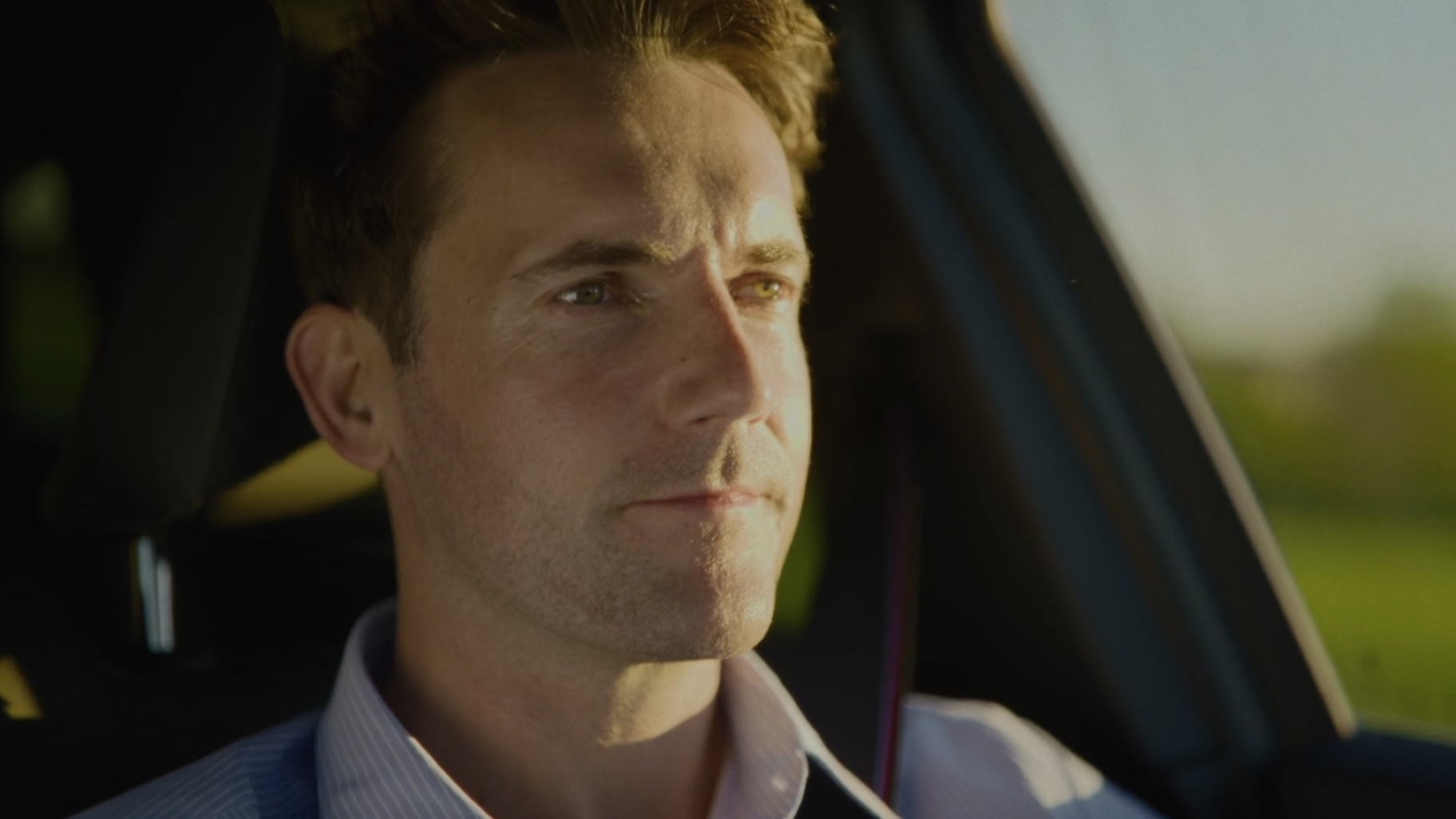
A Day in the Life of a Field Sales Rep, Powered by Bliro.
Your questions, our answers